
If you’re moving to Charleston SC for a second home, you’re not alone. Charleston continues to attract affluent buyers from the Northeast, Midwest, and West Coast who are looking for history, walkability, coastal living, and a lock-and-leave lifestyle.
But buying a second home in Charleston is very different from buying a primary residence — especially when it comes to taxes, insurance, historic restrictions, and long-term costs. This guide breaks down what second-home buyers truly need to know before making the move.
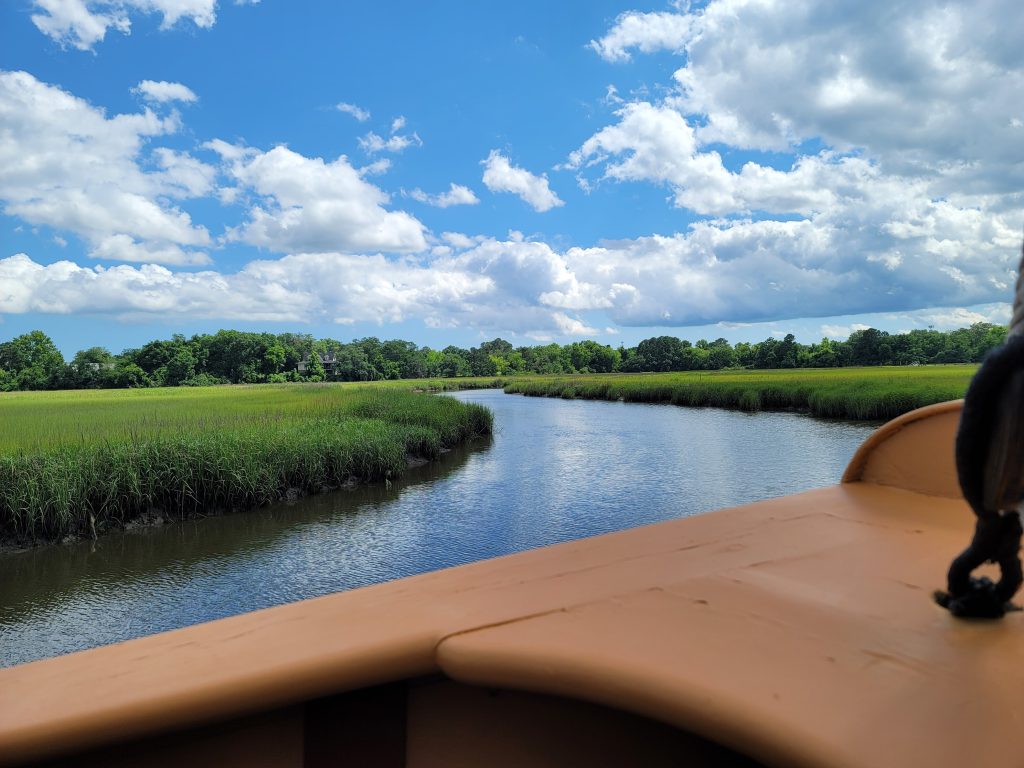
Why So Many Buyers Are Moving to Charleston SC for a Second Home
Charleston offers a rare combination of:
- Historic architecture and preserved neighborhoods
- Coastal access without a “resort-only” feel
- Strong long-term property values
- A slower pace paired with world-class dining and culture
For second-home buyers, Charleston works exceptionally well as a part-time residence that still feels alive year-round — not seasonal or transient.
Property Taxes: What Second Home Buyers Often Miss
One of the most important details when moving to Charleston SC as a second-home buyer is how property taxes are assessed.
- Primary residences in South Carolina qualify for a 4% legal residence assessment
- Second homes and investment properties are assessed at 6%
That 2% difference can mean thousands of dollars annually, particularly in higher-priced downtown and coastal properties. Charleston taxes are still often lower than many northern states, but buyers should budget accurately from day one. Find out more at the Charleston County Admin site. https://www.charlestoncounty.org/

Insurance in Charleston Is Layered and Not Simple
Insurance surprises more second-home buyers than almost anything else.
In Charleston, you may need:
- Homeowners insurance
- Flood insurance (especially downtown and near the water)
- Wind & hail coverage or higher wind deductibles
Older homes and historic properties can carry higher premiums, while renovated or elevated homes may qualify for more favorable rates. Insurance costs vary dramatically by street and elevation, not just neighborhood.
Flood Zones, Elevation & Long-Term Planning
Flood insurance is a reality for many buyers moving to Charleston SC.
Important considerations:
- Two homes next to each other can have vastly different flood costs
- Elevated homes often see significantly lower premiums
- Flood insurance is transferable, but rates can change after renovations
Second-home buyers should view flood planning as part of long-term ownership, not just an upfront cost.
Historic District Rules: What You Can and Can’t Change
If you’re buying downtown, many homes fall within Charleston’s historic districts.
This means:
- Exterior changes often require approval from the Board of Architectural Review (BAR)
- Windows, doors, roofs, paint colors, fencing, and additions are regulated
- Renovations take more time and planning than suburban projects
These rules protect Charleston’s charm — and property values — but they are not optional and should be understood before purchasing.
Renovation Costs Are Higher Than Buyers Expect
Second-home buyers often underestimate renovation costs in Charleston, especially downtown.
Expect higher pricing for:
- Skilled historic craftsmen
- Custom materials and restoration work
- Structural and elevation improvements
Renovations can be incredibly rewarding, but Charleston is not a “quick flip” market. Done correctly, however, restored homes often appreciate exceptionally well.
Short-Term Rentals Are Heavily Regulated
Many buyers moving to Charleston SC ask about short-term rental income.
Key points:
- Whole-home short-term rentals are tightly restricted
- Most second-home buyers should plan on long-term rentals only
- Owner-occupied STR licenses are limited and highly regulated
Charleston prioritizes neighborhood integrity, which benefits long-term property values but limits Airbnb-style income.
Parking, Walkability & Daily Logistics
Charleston’s walkability is a major draw — but buyers should still understand:
- Many historic homes lack off-street parking
- Adding parking often requires city approval
- Resident parking permits vary by block
For many second-home buyers, the tradeoff is worth it: fewer cars, more walking, and a truly urban coastal lifestyle.
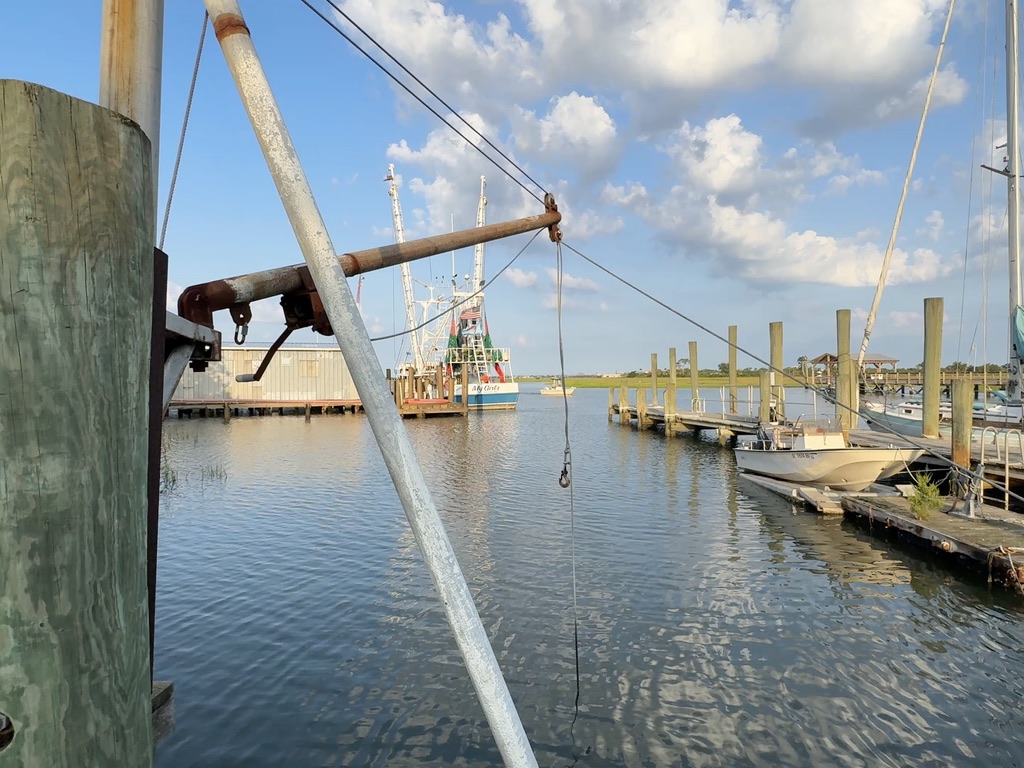
The Real Value of a Second Home in Charleston
For most buyers, the true return isn’t just financial.
When you’re moving to Charleston SC for a second home, you’re buying:
- Morning walks to coffee instead of traffic
- Architecture that tells a story
- A city that feels lived-in, not overbuilt
- A lifestyle that works just as well for weekends as it does for extended stays
Charleston isn’t just a destination — it’s a place you settle into.
Final Thoughts for Buyers Moving to Charleston SC
Charleston rewards buyers who:
- Understand taxes and insurance before closing
- Respect historic preservation
- Budget realistically for ownership
- Work with a local expert who understands the market block by block
Whether your second home is downtown, on the islands, or just outside the peninsula, informed decisions make all the difference.
If you’re considering moving to Charleston SC and want guidance tailored specifically to second-home buyers, having the right local perspective can save time, money, and stress — both before and after you buy.


